

AI does not have to be expensive. Many of the strongest tools have a free tier that is enough to get started and for small teams. Know where the free versions end and you get the most out of them without spending a cent.
What can you do with AI for free?
Drafting, summarising and translating text, generating images, explaining code, sorting tables and structuring ideas: all of it works today in free versions. For many everyday tasks that is plenty. In Germany about a third of companies now use AI, and the start almost always runs through a free tier first, before any budget is released.

Which free tools are worth starting with?
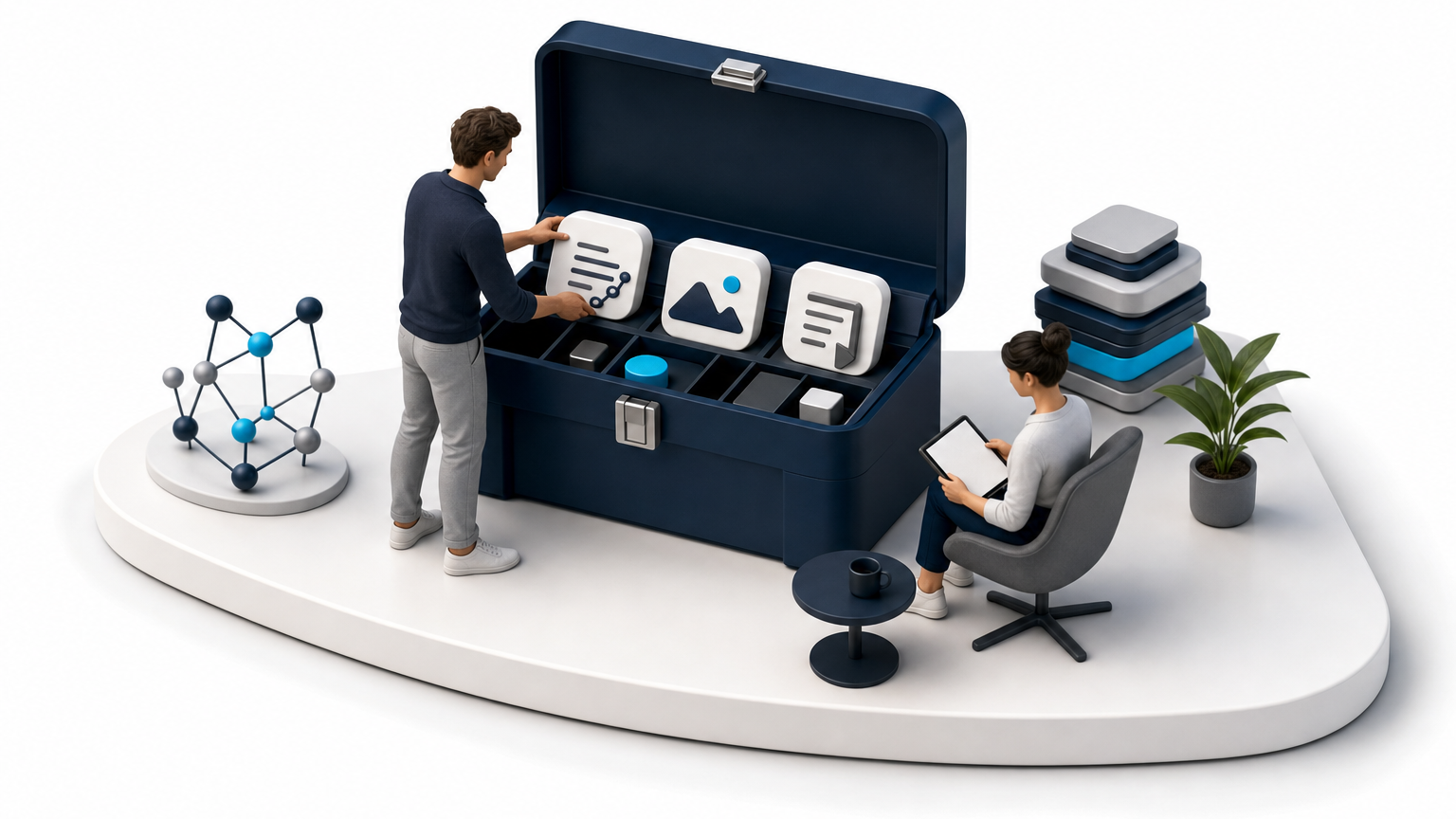
A small, fixed toolkit beats ten half-used accounts. A good language model for text and research, an image generator for graphics and a tool for notes and summaries cover most cases. What matters more than the brand is that the tool fits a concrete, recurring task. A tool that improves one clear step beats any impressive feature list.
Where do the free versions end?
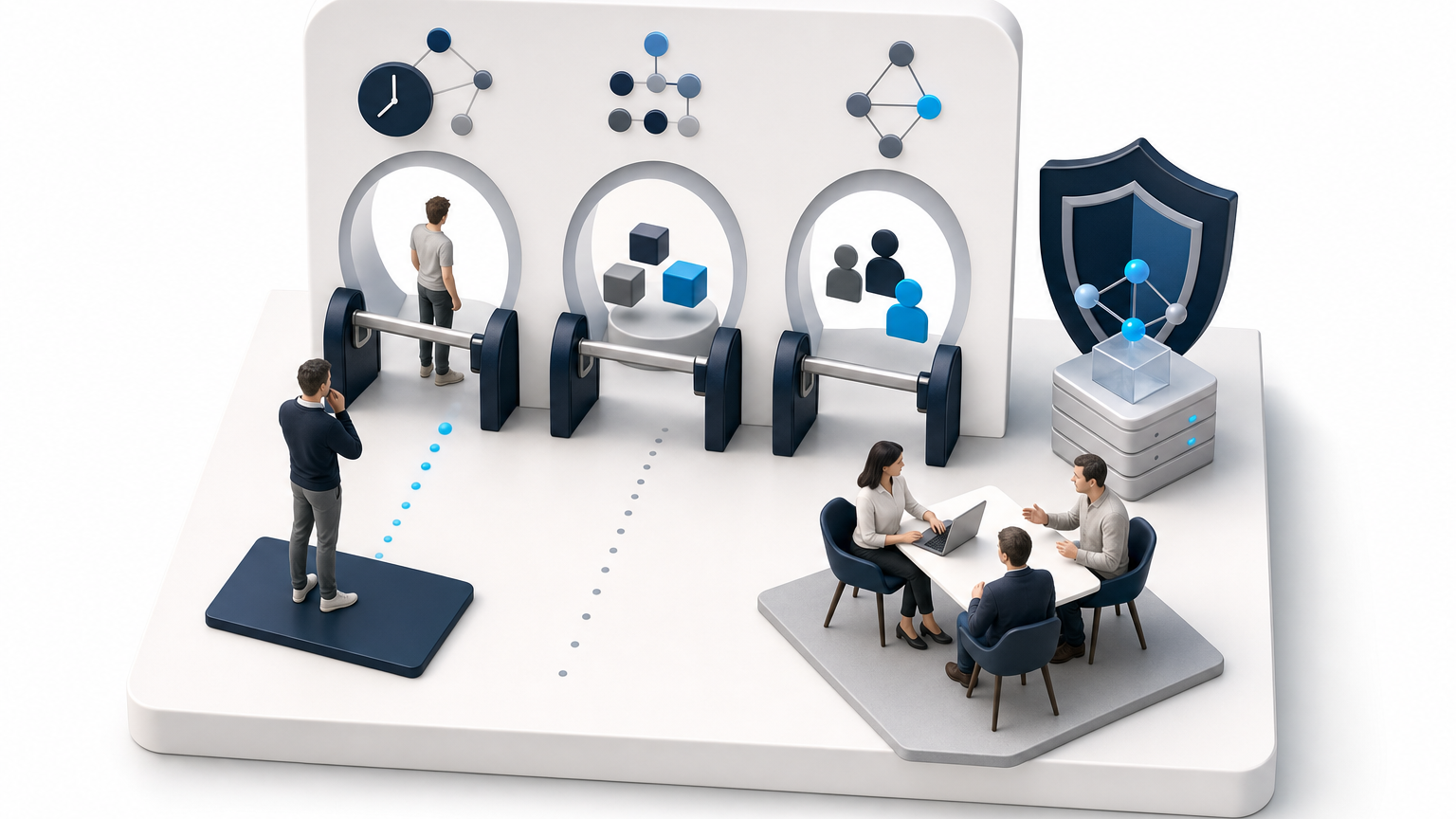
Free tiers have three typical limits: a cap on requests per day, older or smaller models, and missing team features. For a single user with modest volume that barely registers. As soon as several people work daily or sensitive data is involved, the free versions hit their ceiling.
When is it worth switching to a paid plan?
The rule of thumb is simple: once an AI task regularly saves time and hangs on a clear process, the paid version pays off. A widely noted MIT study from 2025 shows that roughly 95 percent of AI projects deliver no measurable effect because they are not anchored in a process. Test for free first and pay only where the benefit is proven, and you spend no money on features you never use.
What about data protection?
Free does not mean without consequence. Many free services process inputs outside the EU and partly use them for training. For internal tests that is acceptable, for personal or confidential data it is not. A simple rule helps: enter no data you would not also put on a postcard. For sensitive cases there are business versions with clear data-protection commitments.
Related articles
These posts help with the next decision.
- AI consulting for SMEs: what it delivers
- How to create AI videos: tools, workflow and costs
- Business plan example: structure and template
Can you really use AI for free?
Yes. Text, images, translations, summaries and much more work in free versions. For getting started and small teams that is often enough.
Where do the free versions end?
At a cap on requests, older models and missing team features. As soon as several people work daily or sensitive data arises, they hit their limits.
When is the paid version worth it?
Once a task regularly saves time and hangs on a clear process. Test for free first, then pay only where the benefit is proven.
What matters for data protection?
Enter no personal or confidential data into free services that partly process inputs outside the EU. For sensitive cases use business versions.