

AI agents are the next big step after the chatbot: systems that complete tasks in several steps on their own. A chatbot answers, an agent acts. Expectations are high, the reality check often sobering. Whoever wants to use agents successfully must understand where they shine and where they reliably fail.
What is an AI agent?
An AI agent breaks a goal into sub-steps, calls tools or data sources and works through the chain without a human triggering each step. Instead of "Write me an email", the task becomes "Check the inquiry, fetch the relevant data, create an offer and submit it for approval". The market takes this seriously: by 2028 around 33 percent of enterprise software is expected to contain agentic functions, up from less than one percent in 2024. At least 15 percent of everyday work decisions could then be made autonomously by agents.
Why do AI agents fail in practice?
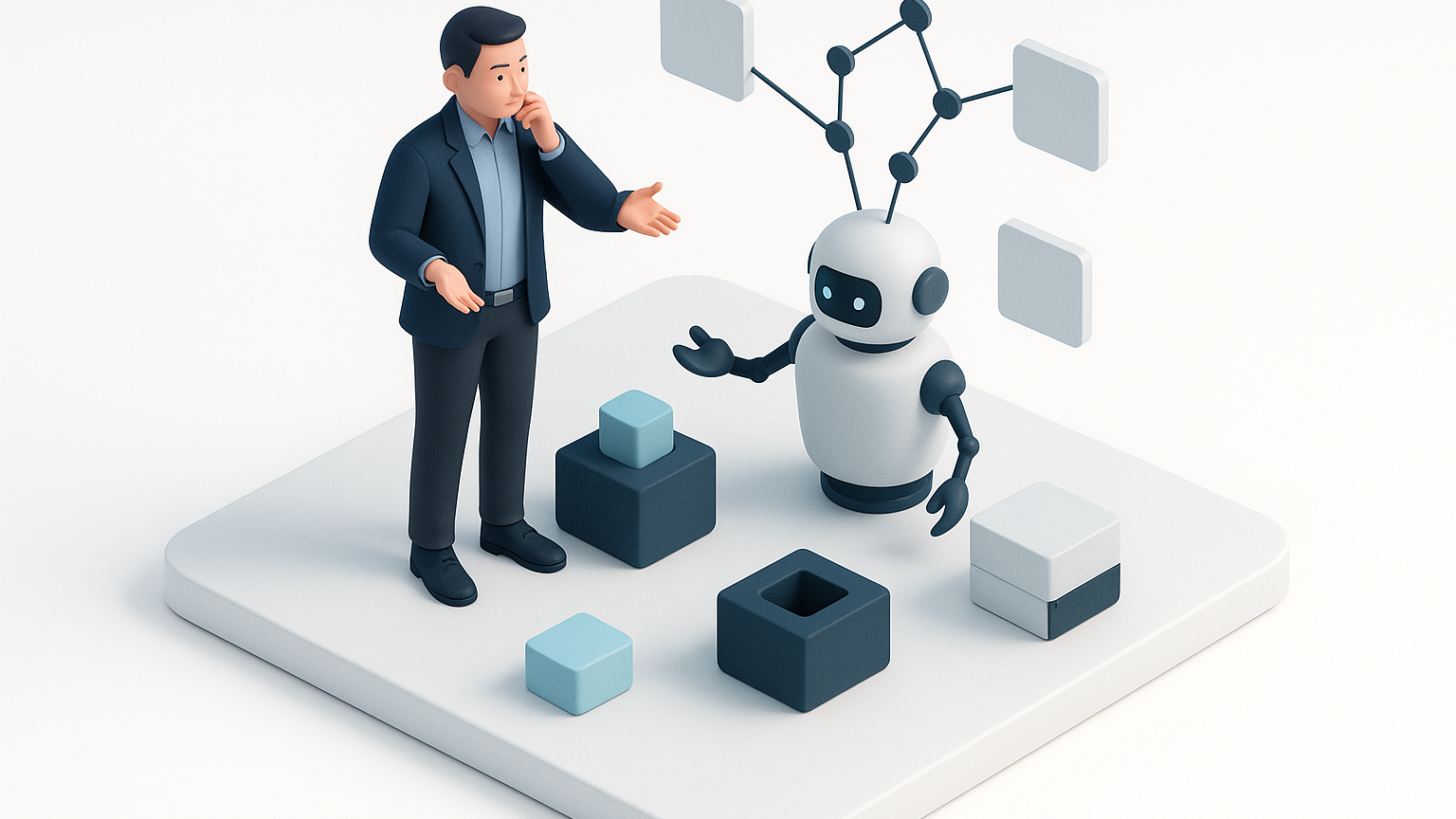
Agents rarely fail on the single step, but on the chain. A small error early in the sequence propagates and leads to an unusable result at the end. This is reflected in the forecasts: by the end of 2027 more than 40 percent of agentic AI projects are expected to be cancelled, mainly due to unclear costs, weak business value and missing controls. Whoever deploys agents without clear guardrails automates not success but the error.
How do you introduce AI agents sensibly?
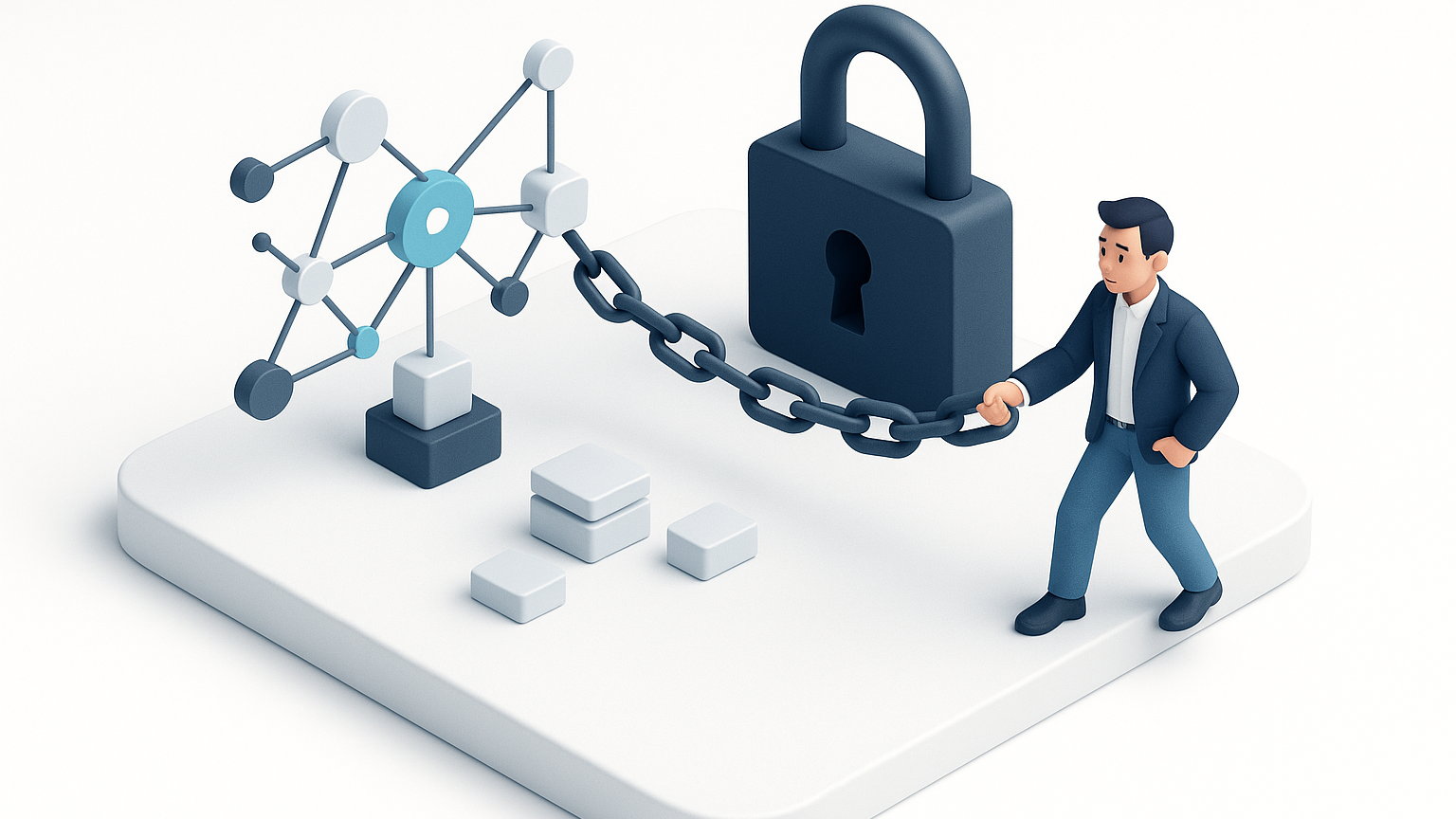
Our experience: agents belong on clearly defined, repeatable workflows with a human checkpoint at the right places. The human sets the goal and checks the result, the agent handles the routine in between. A measurable metric and a stop criterion for when the chain derails are essential. This turns a risky experiment into a reliable helper.
Further reading
These articles help with the next decision.
- AI, IoT and RAG: Use Cases from Practice
- Why Medium-Sized Businesses Choose the Wrong AI Tools
- AI Decisions: Efficiency Meets Transparency Obligations
What is an AI agent?
A system that breaks a goal into sub-steps, calls tools and data, and works through the chain on its own without a human triggering each step.
Why do AI agents often fail?
On the chain, not the single step. An early error propagates. Estimates suggest more than 40 percent of agentic projects will be cancelled by the end of 2027 due to unclear costs and missing controls.
How widespread will AI agents become?
By 2028 around 33 percent of enterprise software is expected to contain agentic functions and at least 15 percent of everyday work decisions to be made autonomously.
How do you deploy agents safely?
On clearly defined, repeatable workflows with human checkpoints, a measurable metric and a stop criterion for when the chain derails.