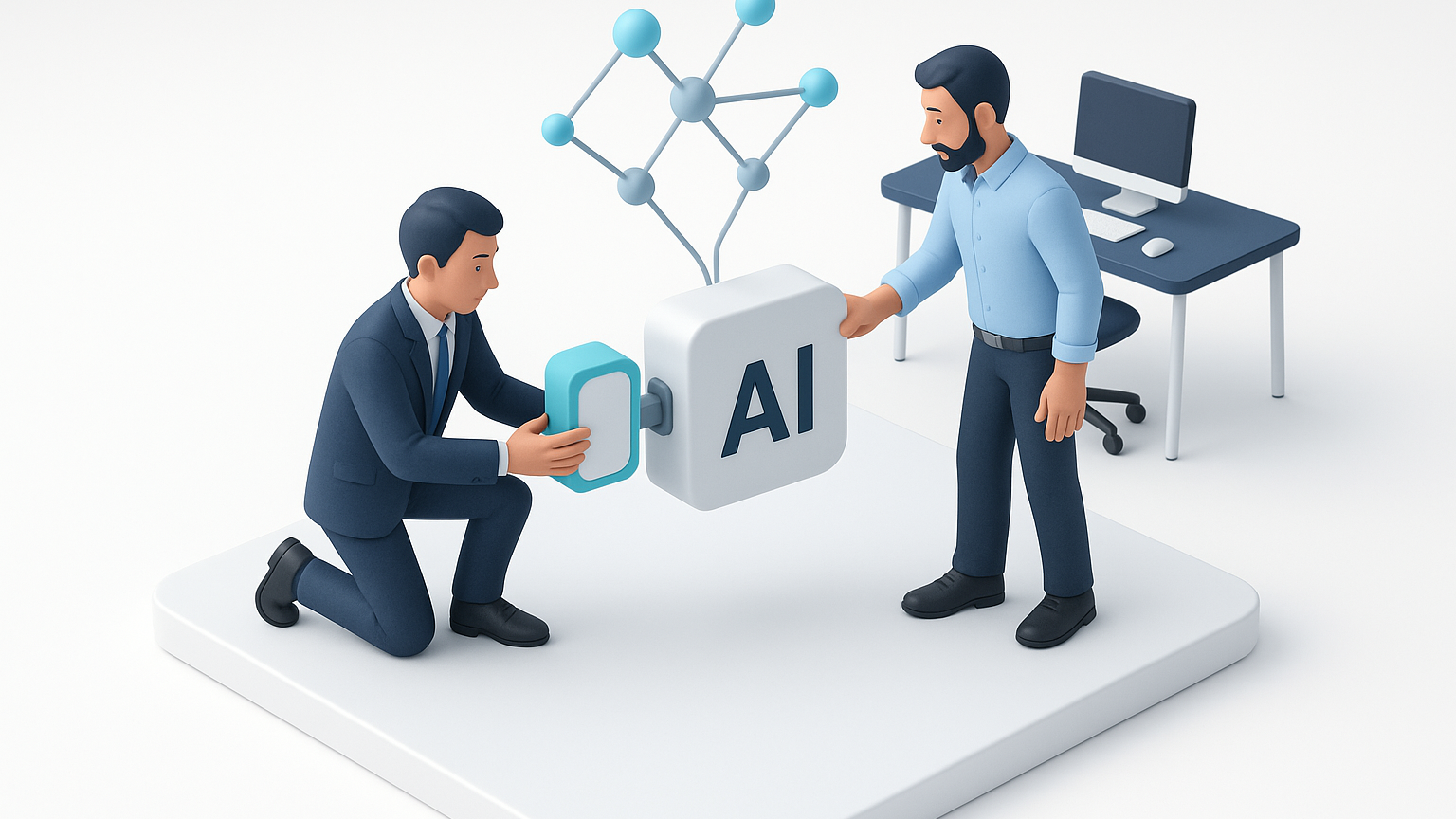
Most AI projects in mid-sized companies begin with the wrong question. It is "Which tool should we pick?" instead of "Which process do we want to improve measurably?". Whoever starts with the tool buys features no one needs and then wonders why the benefit fails to appear.
Why does the tool question mislead?
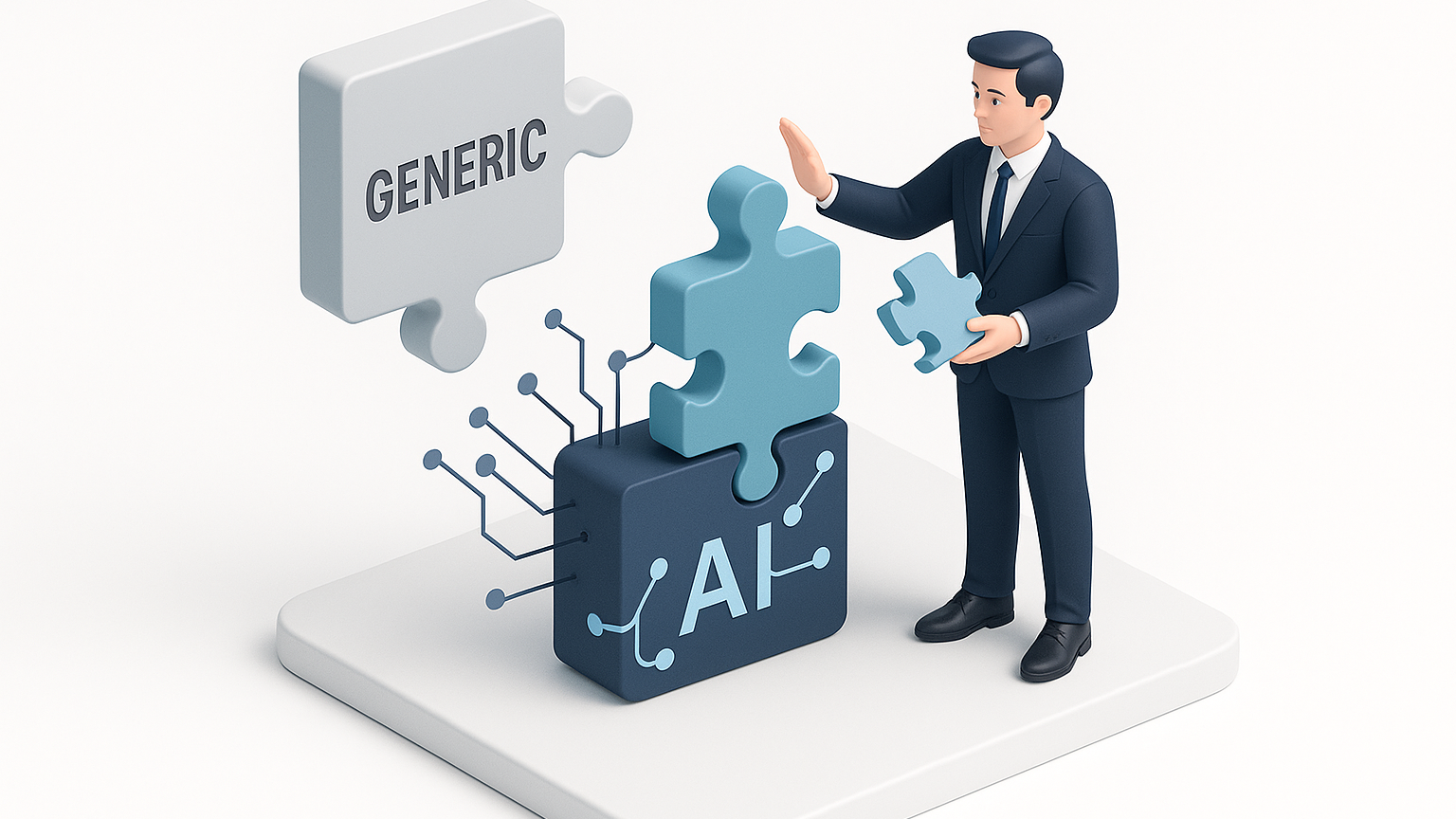
A tool only takes effect once it is clear which bottleneck it should remove. A widely cited 2025 MIT study found that around 95 percent of enterprise AI pilots deliver no measurable effect on the bottom line. The reason is rarely the model, but the missing anchoring in the process. Generic chatbots shine for the individual user but stall in the company because they do not adapt to existing workflows.
Which AI tools actually work in the Mittelstand?
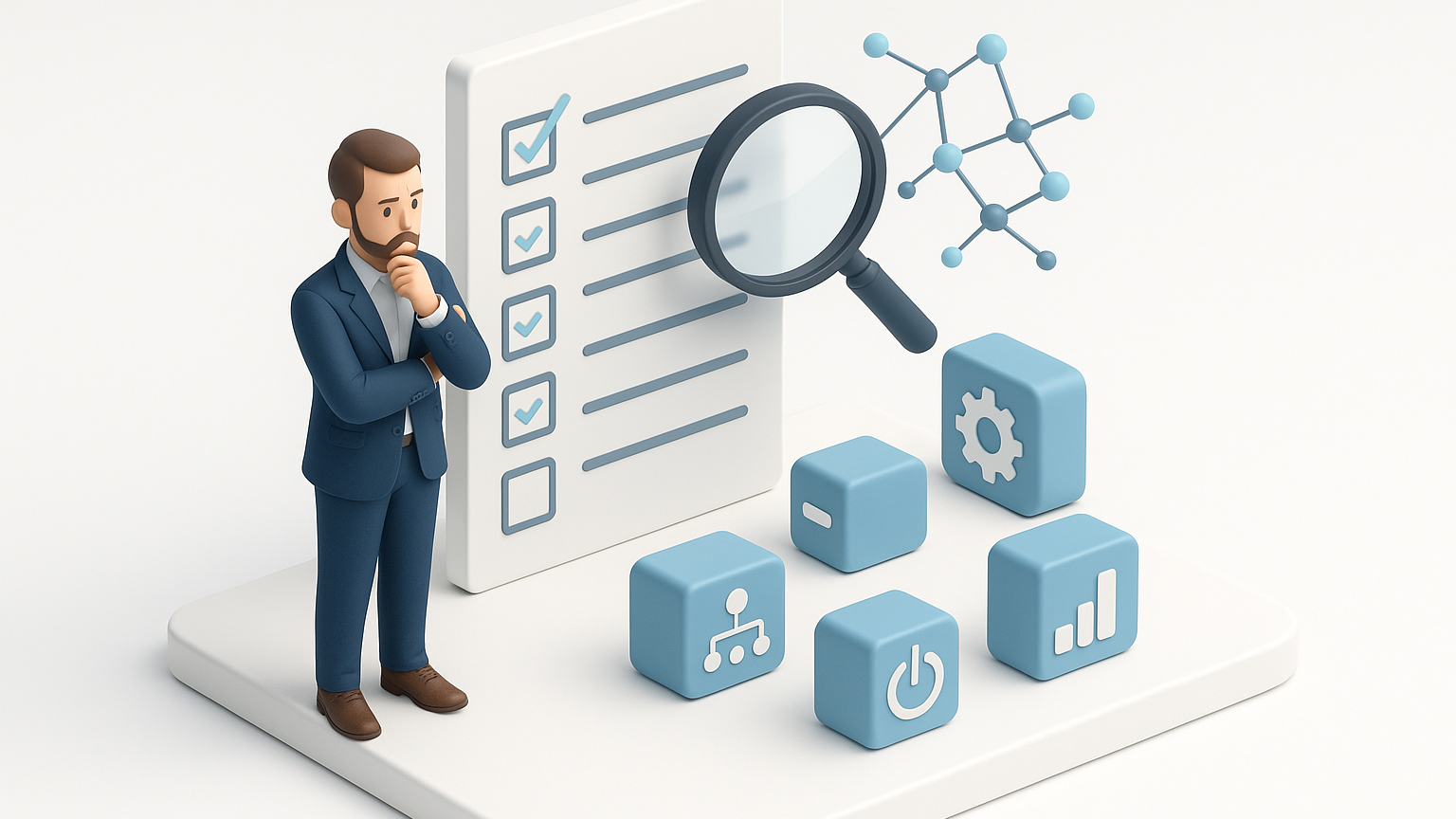
The data points in a clear direction: purchased solutions specialized for a concrete process reach productive use in about two out of three cases, while internally built general-purpose tools work only a third as often. At the same time the choice keeps growing: by 2026 around 40 percent of enterprise applications are expected to contain task-specific AI agents, up from less than five percent the year before. More choice makes discipline in selecting more important, not less.
How do you choose the right AI tool?
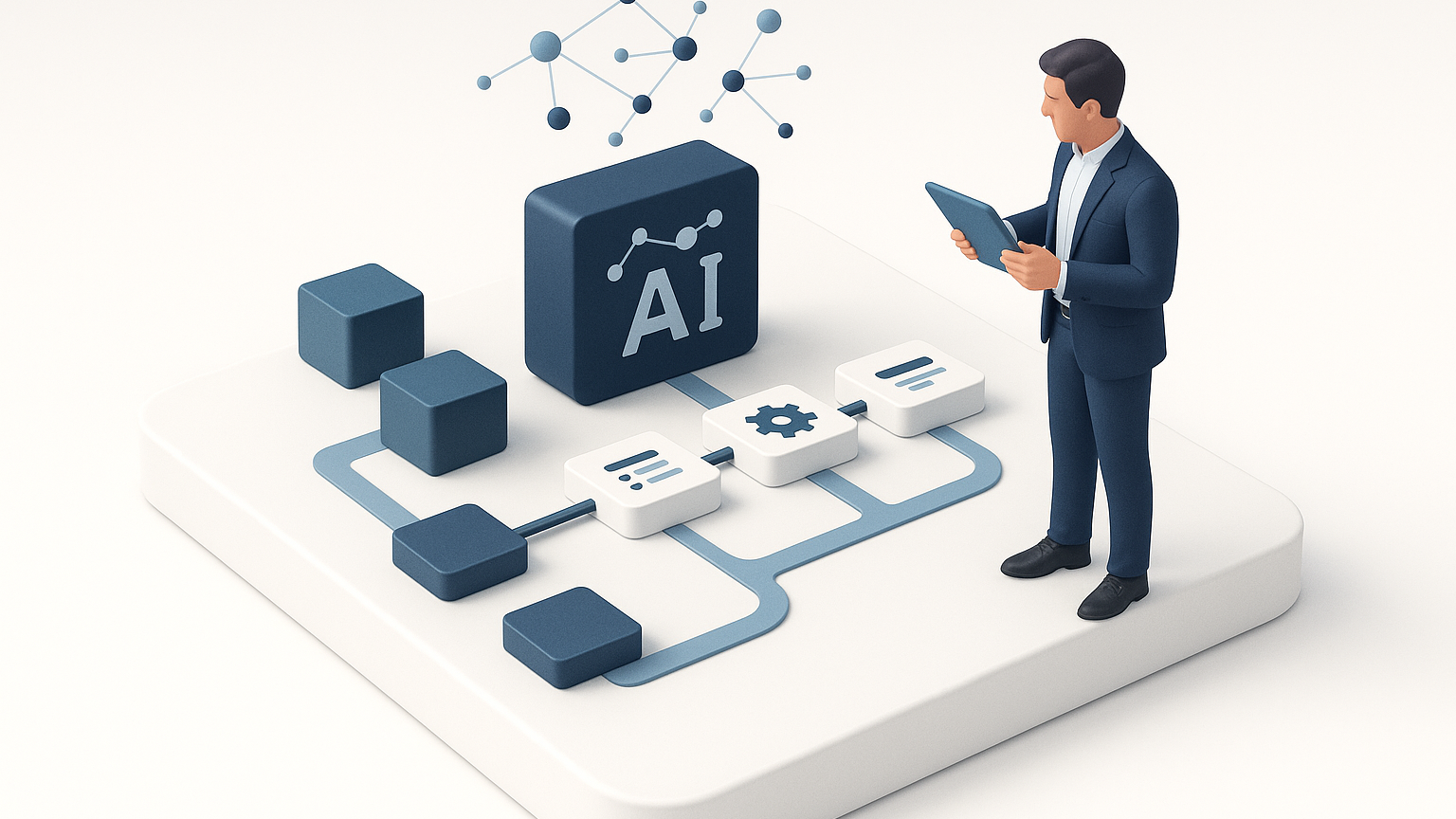
We reverse the order. First we name the bottleneck, the owner and the metric, only then the tool. The biggest return usually lies not in marketing, where most budgets land, but in automating recurring routines in the back office. A good tool is one that measurably improves a clearly defined step and fits into the existing workflow instead of forcing a new one.
Further reading
These articles help with the next decision.
- Why AI Understanding Often Fails in SMEs
- The Overlooked AI Revolution in Germany
- Understanding AI Agents: Practical Insights
Why is the tool question the wrong first step?
Because a tool only works once the process to improve and its bottleneck are clear. Starting with the tool buys features without a goal. Around 95 percent of pilots therefore deliver no measurable effect.
Should I buy or build AI tools?
For most SMEs buying is the faster path. Specialized purchased solutions reach productive use in about two out of three cases, internally built general-purpose tools only a third as often.
Where does AI deliver the biggest return in the Mittelstand?
In automating recurring routines in the back office, not in spectacular marketing projects that often absorb most of the budget.
How do I recognize a fitting AI tool?
It measurably improves a clearly defined step and fits into the existing workflow instead of forcing a new process.