

Artificial intelligence, machine learning and deep learning are often used interchangeably. For a good business decision a simple, clear picture of the terms is enough. More important than the theory is the question of where to start.
What is the difference between AI, ML and deep learning?
Artificial intelligence is the umbrella term for systems that take on tasks that once required human judgement. Machine learning is a subfield in which a system learns patterns from data instead of following fixed rules. Deep learning is in turn a variant of machine learning that uses multi-layered neural networks to process very large amounts of data, such as language or images. Picture them as nested circles: deep learning sits inside machine learning, which sits inside the wider field of AI.
Why is the technology rarely the real problem?
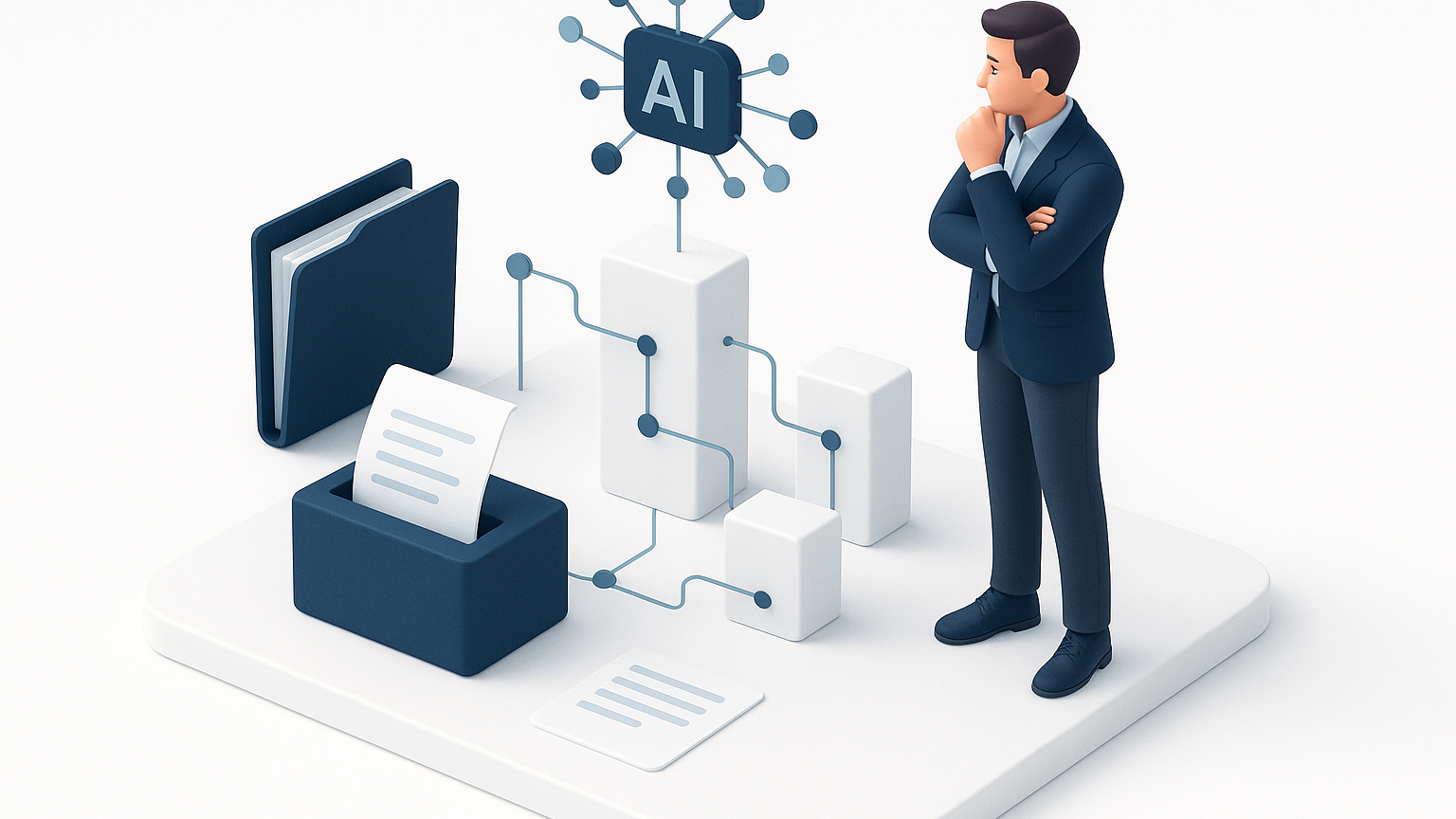
In practice, success is decided not by the choice between ML and deep learning but by the embedding into a process. A widely cited 2025 MIT study found that around 95 percent of enterprise AI pilots deliver no measurable effect on the bottom line. Add the J-curve effect: new technologies first cost time and money for data and process change before the return kicks in. Whoever plans for this does not lose patience when the benefit is not immediately visible.
What does a good first AI use case look like?
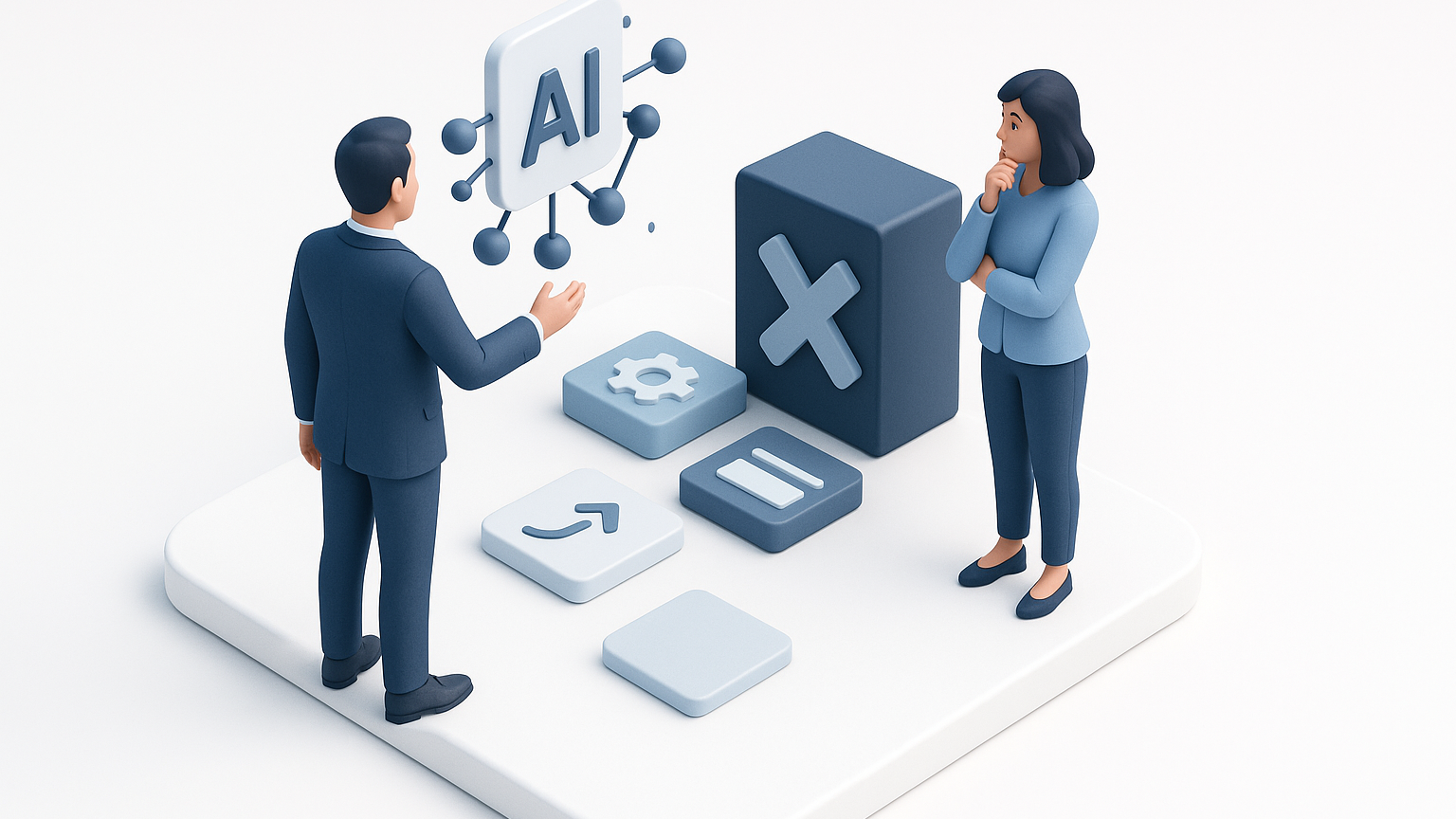
Our rule is simple: the first use case should be boring, measurable and close to the existing process. You do not need a deep-learning mega-project to create value. Often a clearly defined step with a metric you can compare before and after is enough, such as the handling time of a recurring task. Only once that step demonstrably runs better is the next one worth it.
Further reading
These articles help with the next decision.
- Why AI Understanding Often Fails in SMEs
- Understanding AI Agents: Practical Insights
- AI, IoT and RAG: Use Cases from Practice
What is the difference between AI, machine learning and deep learning?
AI is the umbrella term, machine learning a subfield where systems learn from data, and deep learning a variant of machine learning using multi-layered neural networks. They nest like circles.
Do I need deep learning for my first AI use case?
Usually not. A simple, measurable process step often delivers more value than an elaborate deep-learning project. Complexity is not an end in itself.
Why does AI not show impact immediately?
Because of the J-curve effect: data, training and process change cost time and money first. Around 95 percent of pilots fail on the embedding, not the technology.
How do I choose the first use case?
Boring, measurable and close to the existing process. A clear metric you can compare before and after matters more than the choice of method.