
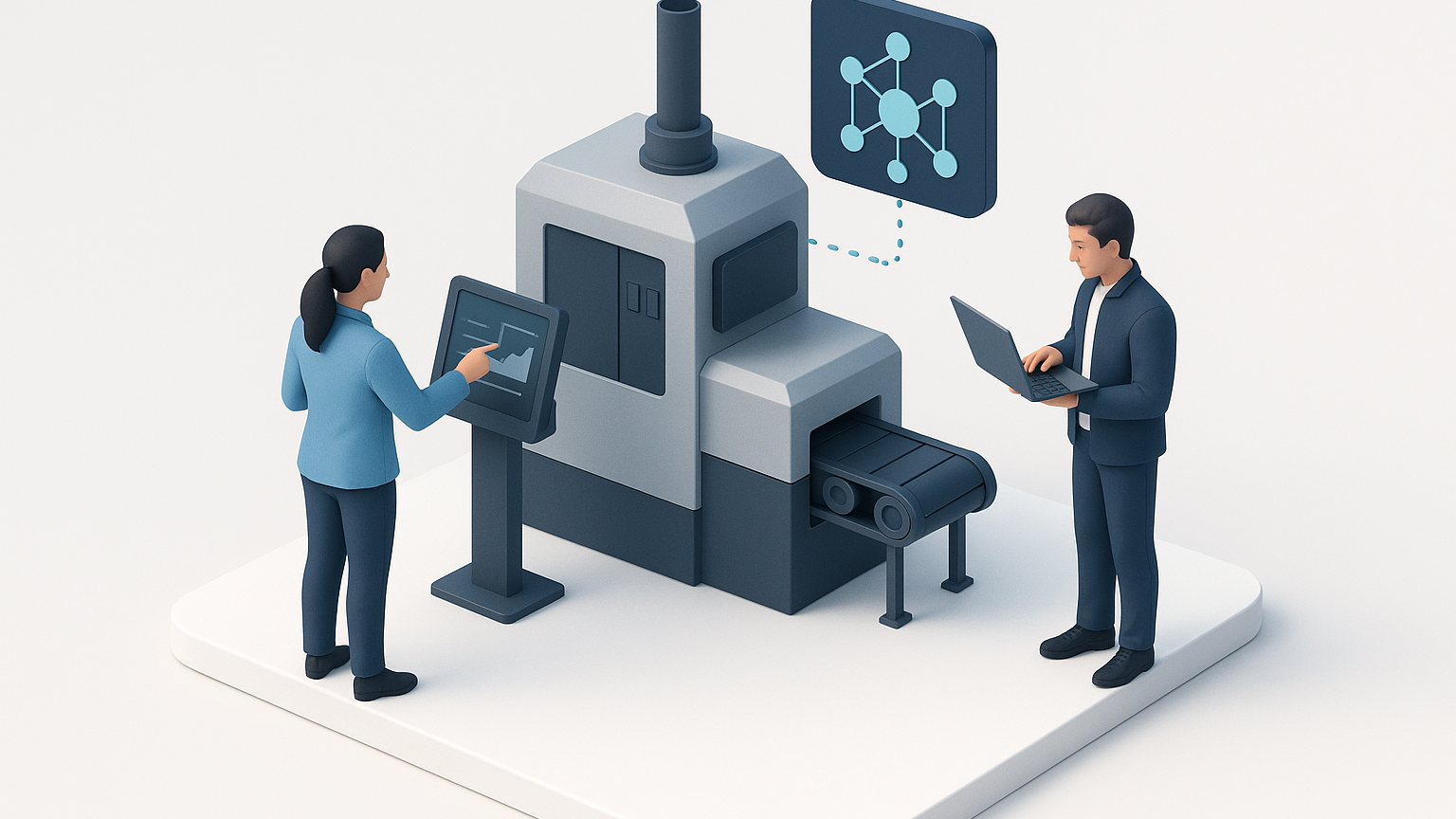
Why now: AI, IoT & RAG Use Cases is decided at one concrete point in day-to-day operations — where owner, budget, and sign-off meet. Without a clear answer there, you lose weeks in the process, not in the model.
We keep seeing with SMEs that AI projects do not stall on the model — they stall on an unclear process, missing ownership, and an open budget question.
We deliberately chose not to lead with an open chat entry point, because without a process owner and sign-off it fizzles out in day-to-day operations.
Why do AI projects often stall before they start?
We frequently observe that AI projects in mid-sized companies don't get stuck on the model itself, but rather on unclear processes, lack of ownership, and unresolved budget issues. Without a clear process owner and approval, an open chat entry can quickly become irrelevant in daily operations.

Why should the first AI use case be boring?
At WirStartenKI, we've noticed that companies often begin with overly complex AI projects that don't integrate well into their existing workflows, leading to disappointment. A simple, measurable AI use case can quickly demonstrate success and increase team acceptance.

How do IoT and AI form a powerful duo for SMEs?
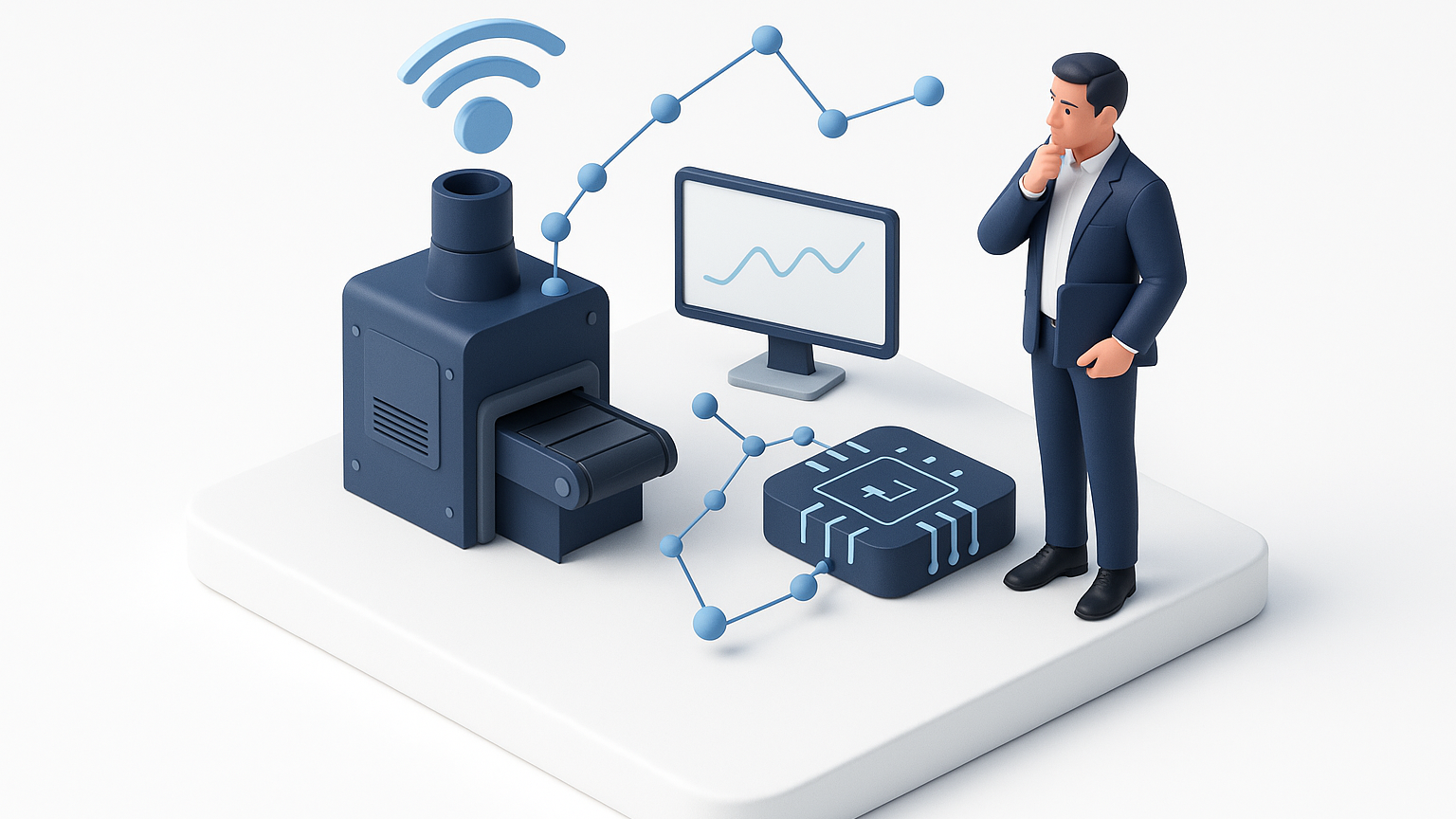
The combination of IoT and AI can be particularly valuable for small and medium enterprises, such as in monitoring production facilities. By using IoT sensors and AI algorithms, failures can be detected early, and efficiency can be increased. However, accessing high-quality sensor data often poses a challenge, complicating implementation.
What role does RAG play in improving AI outputs?
Retrieval-Augmented Generation (RAG) can enhance the accuracy of AI outputs by accessing external, trusted data sources. This is crucial in areas like customer service or internal documentation to avoid outdated information. However, at WirStartenKI, we've found that integrating RAG often requires additional infrastructure, increasing complexity.
What do we advise against in AI implementation?
We advise against implementing generic AI tools without a clear use case. The success of AI projects depends on being tailored to specific business needs. Standard solutions often lead to unsatisfactory results and wasted resources.
How to take the right first step with AI?
Choose an initial AI use case that is closely aligned with your existing process and whose success is clearly measurable. This builds trust in the technology and lays the foundation for more complex projects. Avoid starting with projects that require more resources and time than you can provide. At WirStartenKI, we've learned that a gradual approach is often more sustainable.
What is the decision rule for starting an AI project?
Begin only when a team owns the process, the budget is approved, and it is clear what output will be accepted in the system.
Why is the first AI use case often boring?
Starting with a simple AI use case allows for quick wins and helps integrate AI into existing workflows without overwhelming the team. It sets a solid foundation for future, more complex projects.
How can IoT and AI benefit SMEs?
IoT and AI can significantly enhance operational efficiency by enabling early detection of issues in production facilities, thus reducing downtime and increasing productivity.
What challenges does RAG integration present?
While RAG can improve AI accuracy, it often requires additional infrastructure, which can complicate the integration process and increase costs.
Why avoid generic AI tools?
Generic AI tools may not address specific business needs, leading to poor results and wasted resources. Tailored solutions are more effective.
What is a sustainable approach to AI implementation?
A gradual approach, starting with simple, measurable use cases, helps build trust and ensures that resources are effectively utilized.