Why now: Top AI Tools for Medium-Sized Businesses is decided at one concrete point in day-to-day operations — where owner, budget, and sign-off meet. Without a clear answer there, you lose weeks in the process, not in the model.
We keep seeing with SMEs that AI projects do not stall on the model — they stall on an unclear process, missing ownership, and an open budget question.
Why do feature lists mislead medium-sized businesses?
We frequently observe that medium-sized businesses are dazzled by extensive feature lists when selecting AI tools. Decisions often favor the tool with the most features, without verifying if these features meet operational needs. This results in companies using tools that aren't optimally integrated into their existing processes.

How crucial is process integration?
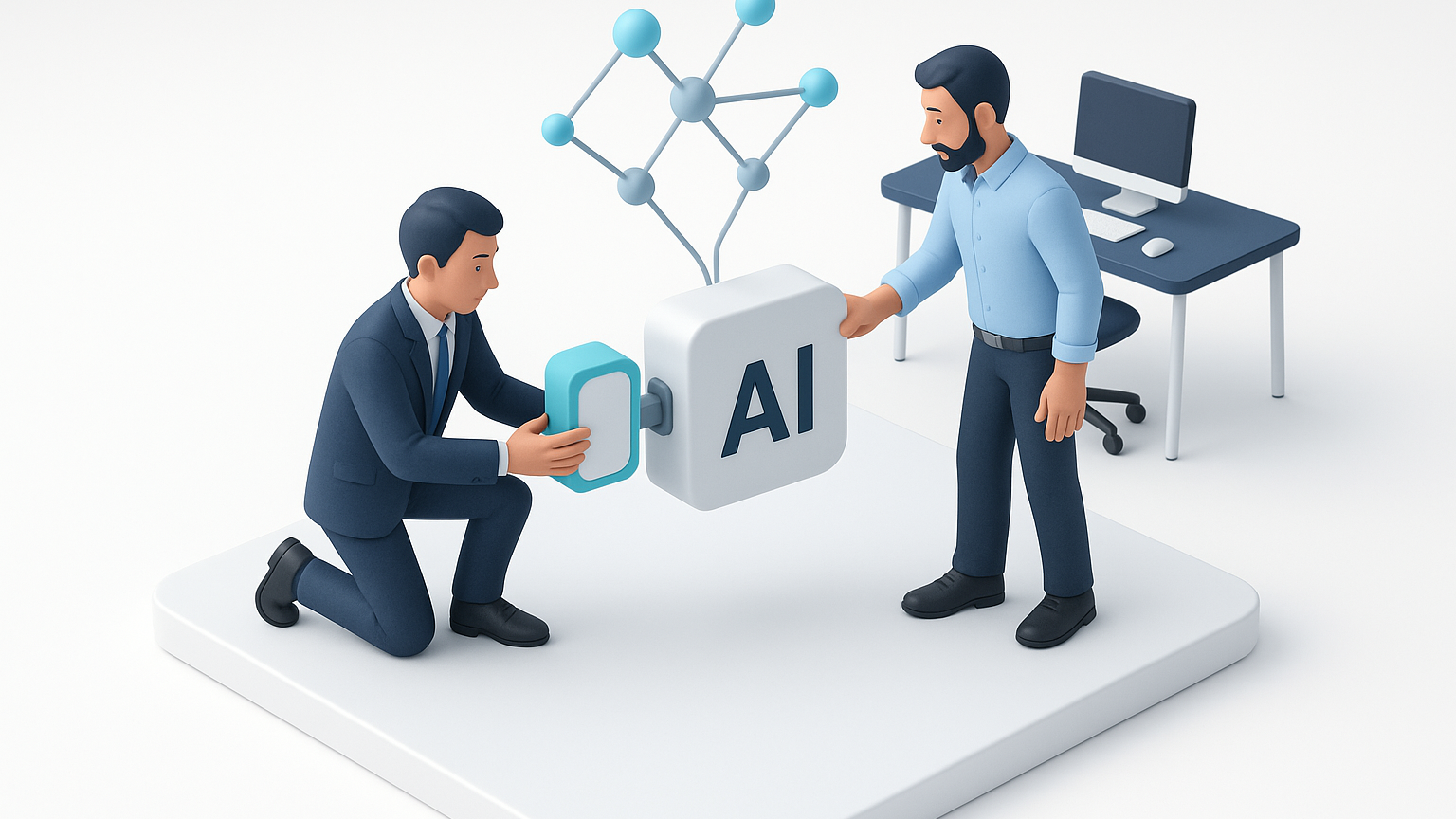
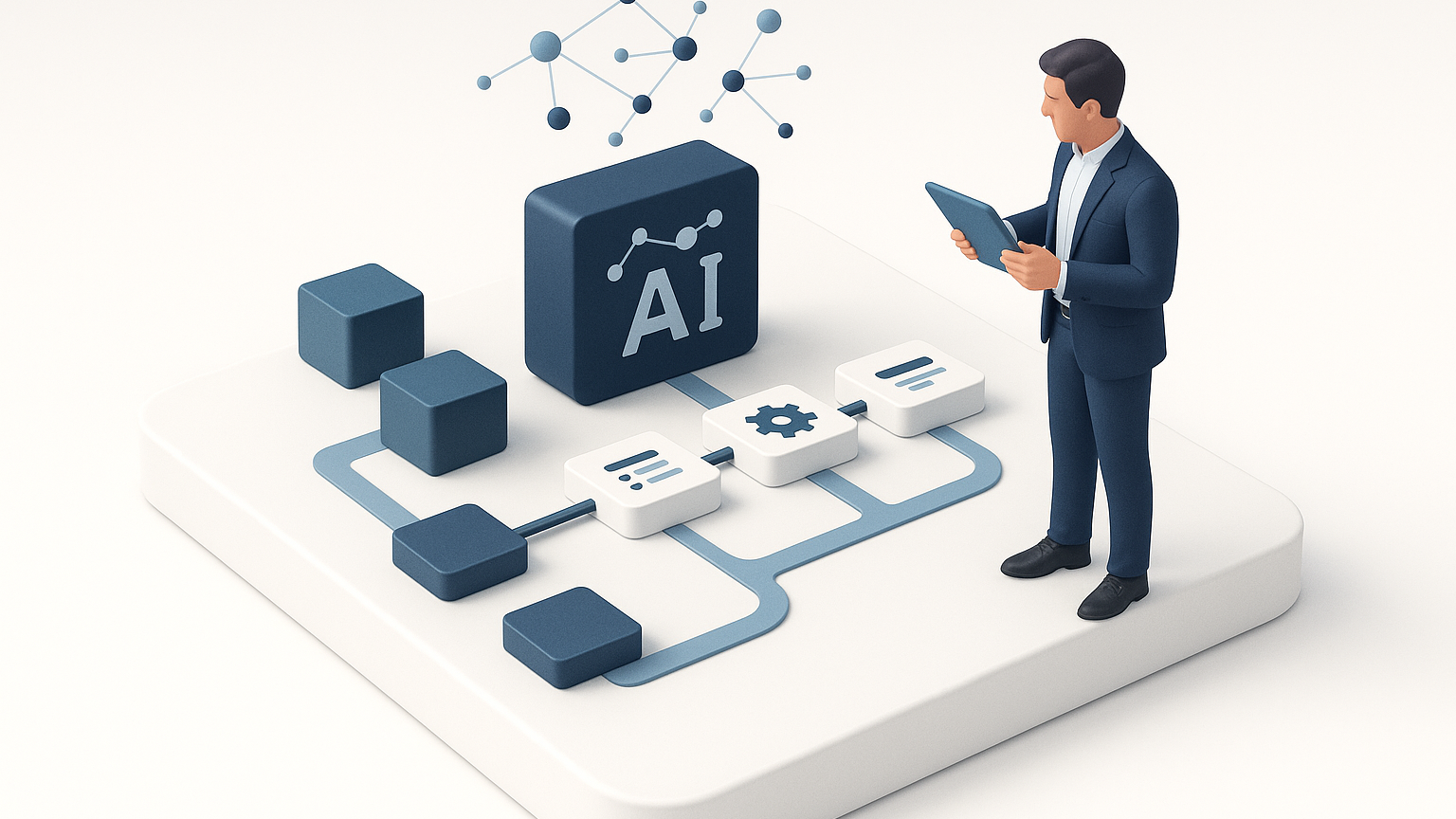
What surprised us is how rarely process integration is considered during tool selection. The real value of an AI tool emerges only through seamless integration into the workflow. A tool used in isolation often falls short of its potential. The difference between a successful and a failed AI project often lies in the documentation and adaptation of processes.
Why do we avoid recommending generic AI tools?
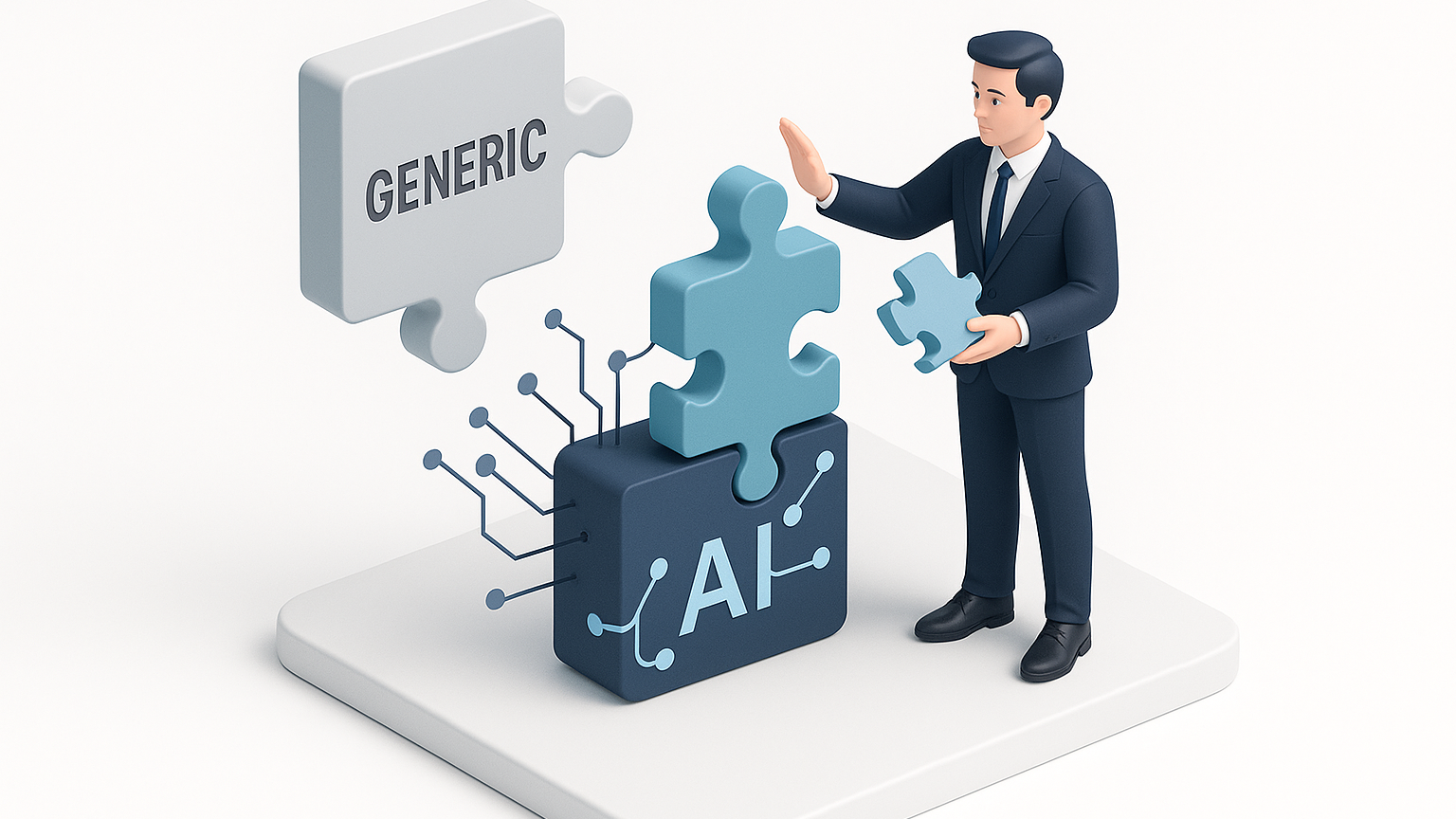
We consciously decided against recommending generic AI tools that aren't tailored to the specific needs of medium-sized businesses. Instead, we focus on customized solutions that target actual business impact and feasibility. This approach minimizes the risk of poor investments and maximizes return on investment.
What is a common operational bottleneck?
A frequent operational bottleneck is the lack of data access. Many AI tools require extensive data sets, which medium-sized businesses often lack in the necessary quality or structure. It's crucial to assess and, if necessary, adjust the data situation before selecting a tool. Without this preparation, the potential of AI remains untapped.
What is the right decision-making rule?
Before investing in an AI tool, analyze your processes and define clear requirements. Ensure the tool can be seamlessly integrated into your existing workflows and that data quality meets the requirements. These steps are crucial to securing the actual value of an AI tool for your business.
How can feature lists mislead businesses?
Feature lists can mislead businesses by emphasizing quantity over quality, leading to choices that don't align with operational needs.
Why is process integration important?
Process integration is important because it ensures that AI tools are effectively embedded into workflows, maximizing their potential.
What are the risks of using generic AI tools?
Generic AI tools may not address specific business needs, leading to poor investments and suboptimal returns.
What operational bottlenecks do businesses face with AI tools?
Businesses often face data access issues, lacking the necessary quality or structure for effective AI tool use.
How should businesses approach AI tool selection?
Businesses should analyze processes, define requirements, and ensure data quality before selecting AI tools.