

Why now: understanding AI agents is decided at one concrete point in day-to-day operations — where owner, budget, and sign-off meet. Without a clear answer there, you lose weeks in the process, not in the model.
We keep seeing with SMEs that AI projects do not stall on the model — they stall on an unclear process, missing ownership, and an open budget question.
Why do AI agents often fail in practice?
We've observed that many companies view the introduction of AI agents as a cure-all without making the necessary preparations. A common mistake is assuming that an AI agent can function without being tailored to existing processes and systems. This assumption often leads to disappointing results, as the operational bottleneck is not the technology itself, but its integration into existing workflows.

What is the underestimated challenge of data integration?
Another critical point is access to relevant data. AI agents require consistent and high-quality data to operate effectively. We've recognized that many companies have not adequately prepared their data infrastructure, leading to a significant bottleneck in implementation. Without a solid data foundation, the benefits of an AI agent remain limited.

What conscious decisions did we make in product development?
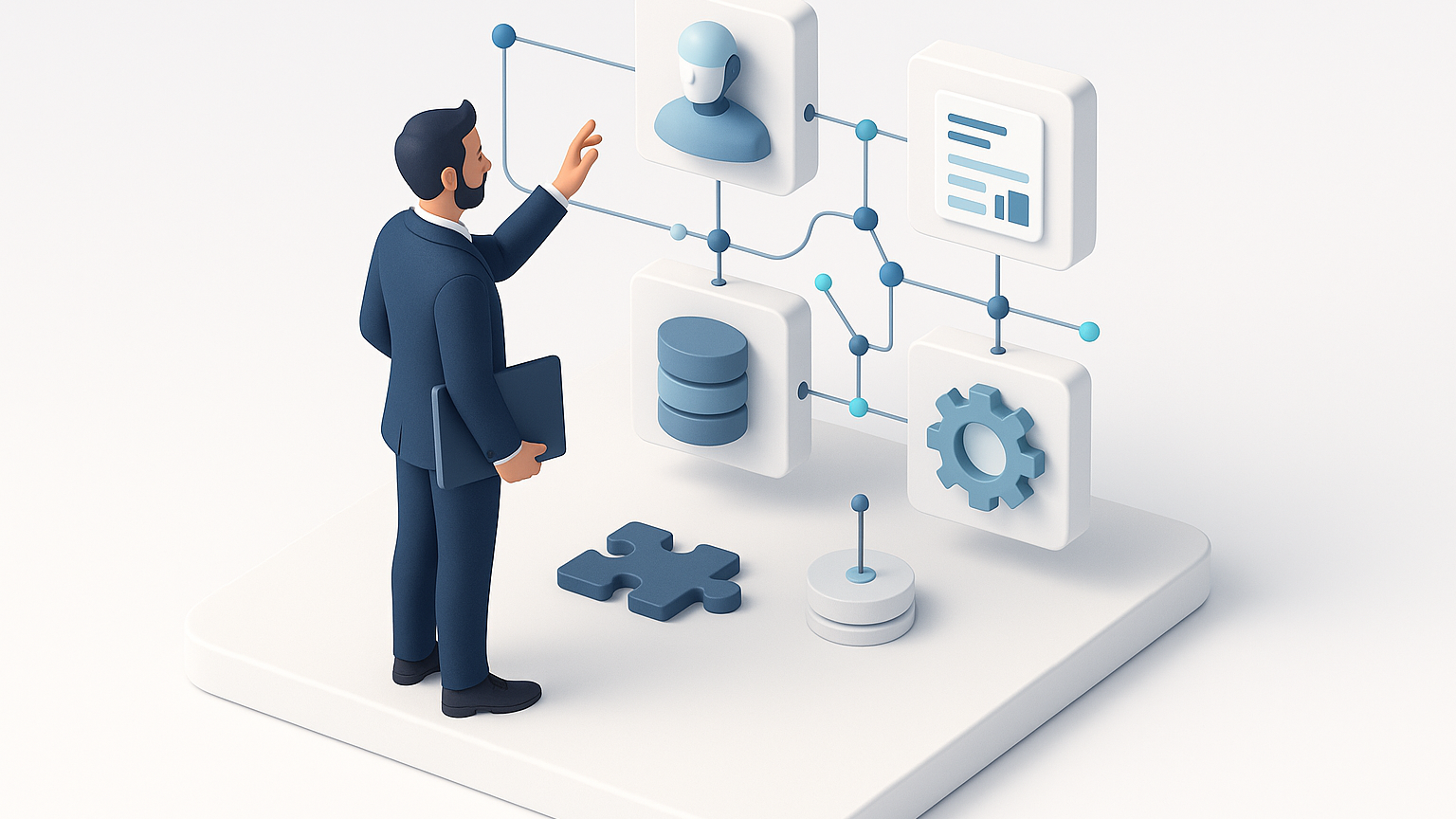
At WirStartenKI, we deliberately chose not to develop AI agents based on generic data models. Instead, we focus on specialized solutions closely tied to the specific requirements and data sources of our clients. This decision is based on the understanding that the success of an AI agent largely depends on its ability to seamlessly integrate into the existing infrastructure.
What are the trade-offs when choosing AI agents?
A common trade-off in implementing AI agents is the choice between flexibility and specialization. While flexible agents can cover a broader range of tasks, specialized agents often offer higher efficiency and accuracy. We recommend carefully evaluating this trade-off and choosing the solution that best fits the specific business requirements.
What is a clear decision rule for deploying AI agents?
Before deciding to deploy an AI agent, ensure that your processes and data structures are ready to support the technology. An AI agent is only a worthwhile investment if it can be seamlessly integrated into your existing infrastructure and has access to the necessary data. Otherwise, you risk investing in an expensive and inefficient solution.
What are AI agents?
AI agents are software entities that perform tasks autonomously using artificial intelligence. They can process data, make decisions, and learn from their environment.
How can AI agents benefit businesses?
AI agents can automate routine tasks, improve decision-making, and enhance customer experiences by providing personalized interactions.
What are the main challenges in implementing AI agents?
Key challenges include data integration, ensuring data quality, and aligning AI capabilities with business processes.
Why is data integration important for AI agents?
Data integration is crucial because AI agents rely on high-quality, consistent data to function effectively and deliver accurate results.
What should companies consider before deploying AI agents?
Companies should assess their data infrastructure, ensure process readiness, and evaluate the trade-offs between flexibility and specialization.