
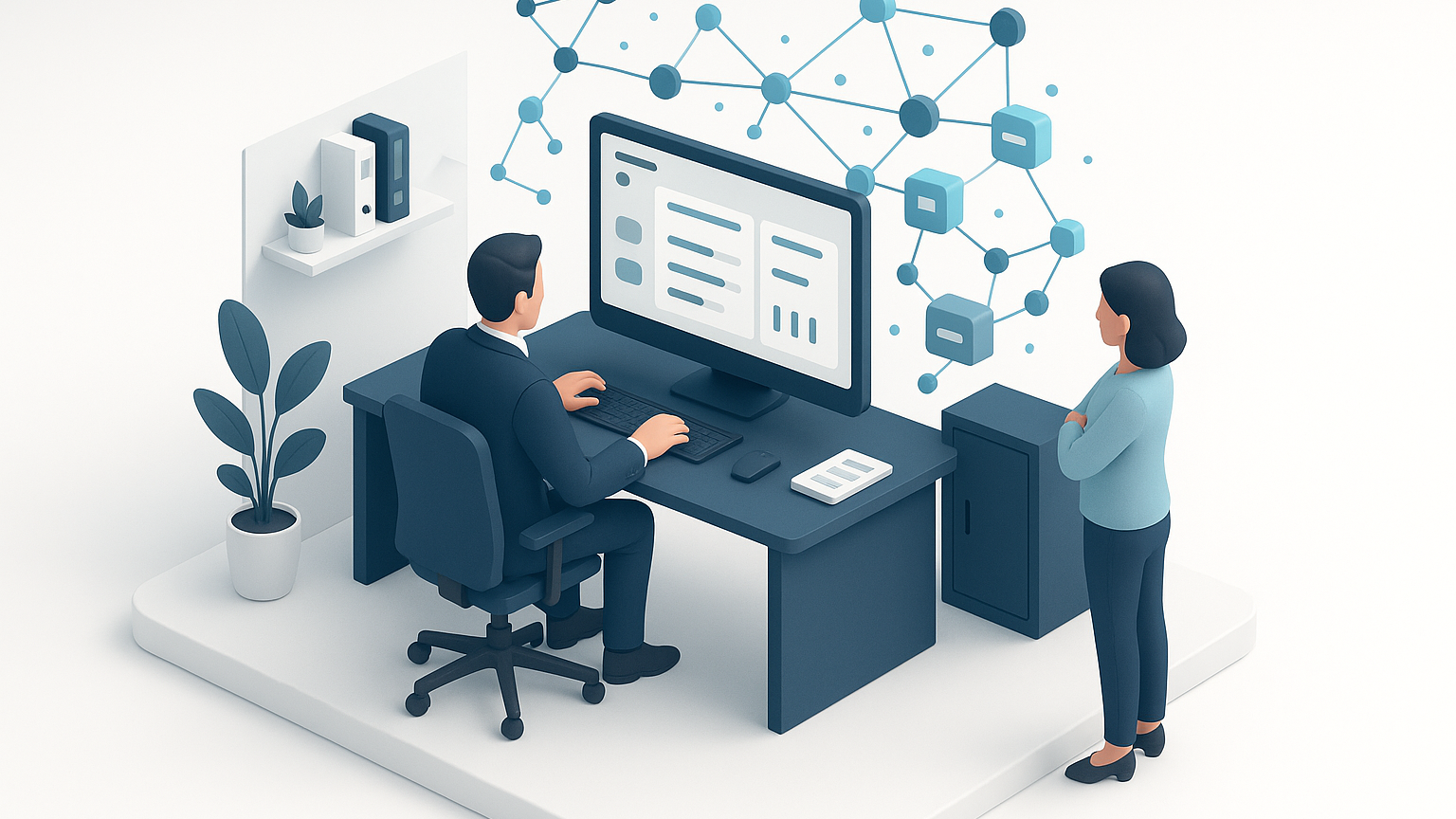
Why now: AI-driven lead generation for SMEs is decided at one concrete point in day-to-day operations — where owner, budget, and sign-off meet. Without a clear answer there, you lose weeks in the process, not in the model.
What is the operational bottleneck in AI-driven lead generation?
We often observe that SMEs stumble at a crucial point when introducing AI for lead generation: they start with tools, not processes. The operational bottleneck frequently lies in the lack of integration of AI tools into existing CRM systems. Without seamless integration, the anticipated efficiency gains remain elusive, and costs unnecessarily escalate.

Why should the first AI use case be unexciting?
Another common mistake is attempting to launch with a spectacular AI use case. We noticed that the first AI use case should often be unexciting but measurable and closely aligned with existing processes. A simple yet effective approach could be automating lead qualification, directly integrated into the existing CRM. This way, quickly measurable results can be achieved, reducing internal resistance to AI.
How do you balance automation and personalization?
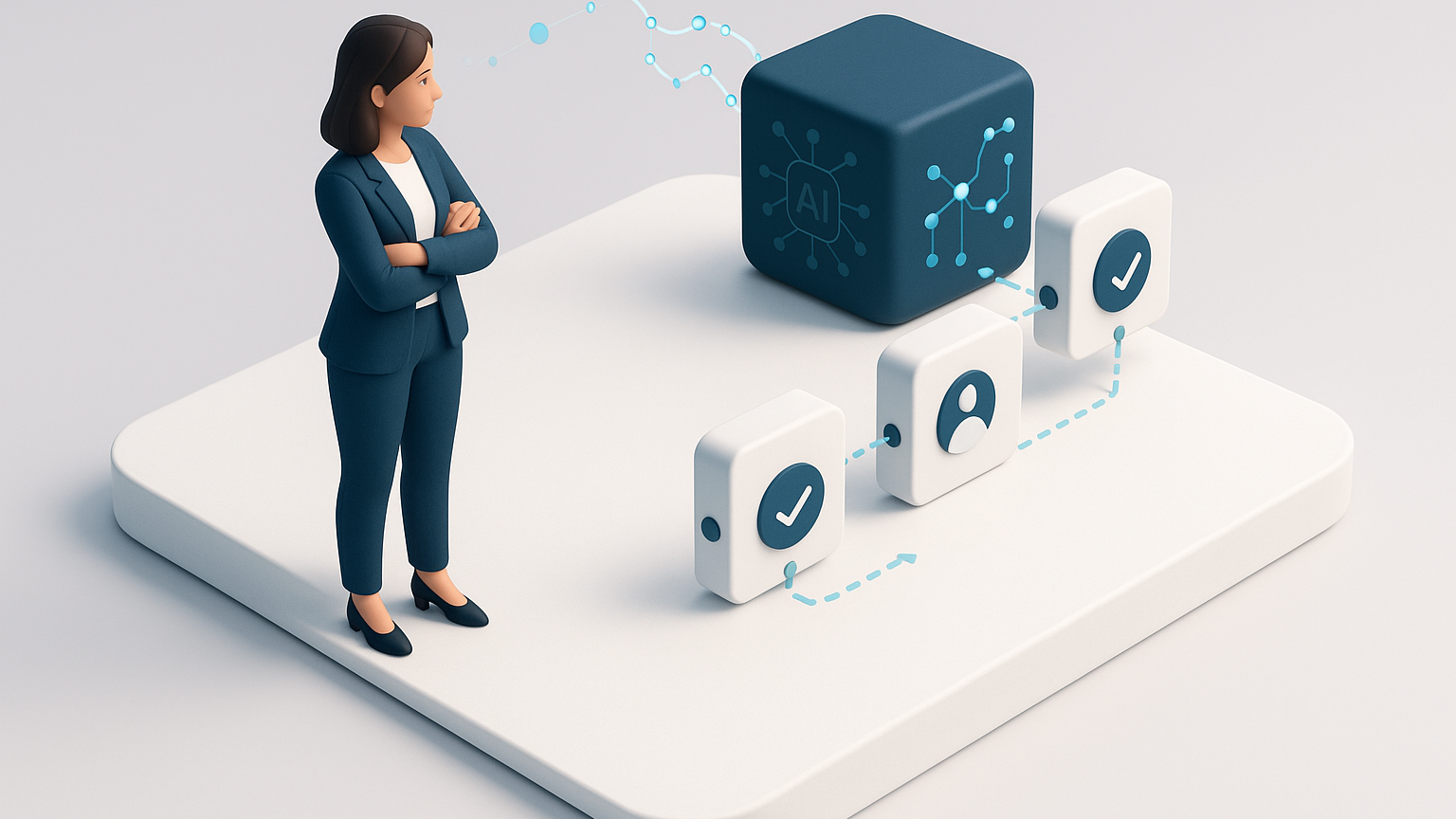
A conscious trade-off we advise against is the complete automation of customer communication. While AI tools like NLP and ML can significantly enhance lead qualification, personal engagement remains a critical factor. The challenge is finding the right balance between automation and personalization to maximize conversion rates.

Why did we decide against generic AI tools?
We consciously decided not to recommend generic LLMs for lead generation. These often produce drafts rather than usable outputs. Instead, we focus on specialized workflows tailored to the specific needs of SMEs. These workflows provide clear, actionable results that can be directly integrated into the sales process.
What is the decision rule for SMEs?
Choose an AI solution that complements rather than replaces your existing processes. Start with a simple, measurable use case and integrate AI tools seamlessly into your existing systems to reap the most significant benefits.
What is the main challenge in AI-driven lead generation for SMEs?
The main challenge is integrating AI tools into existing CRM systems to ensure seamless operation and avoid unnecessary costs.
Why should the first AI use case be simple?
Starting with a simple, measurable use case helps achieve quick results and reduces internal resistance to AI adoption.
How can SMEs balance automation and personalization?
SMEs should find the right balance by using AI to enhance lead qualification while maintaining personal engagement to maximize conversions.
Why avoid generic AI tools for lead generation?
Generic AI tools often produce drafts rather than actionable outputs, making specialized workflows more effective for SMEs.
What should SMEs focus on when choosing AI solutions?
SMEs should focus on AI solutions that complement existing processes and integrate seamlessly into their systems.